
Mediation · Klärungshilfe · Conflict coaching
Safe to disagreeI love uncomfortable conversations.
I’m an English-speaking mediator in Hamburg. I help teams, managers and founders resolve deadlocked conflict – so everyone knows where they stand again.
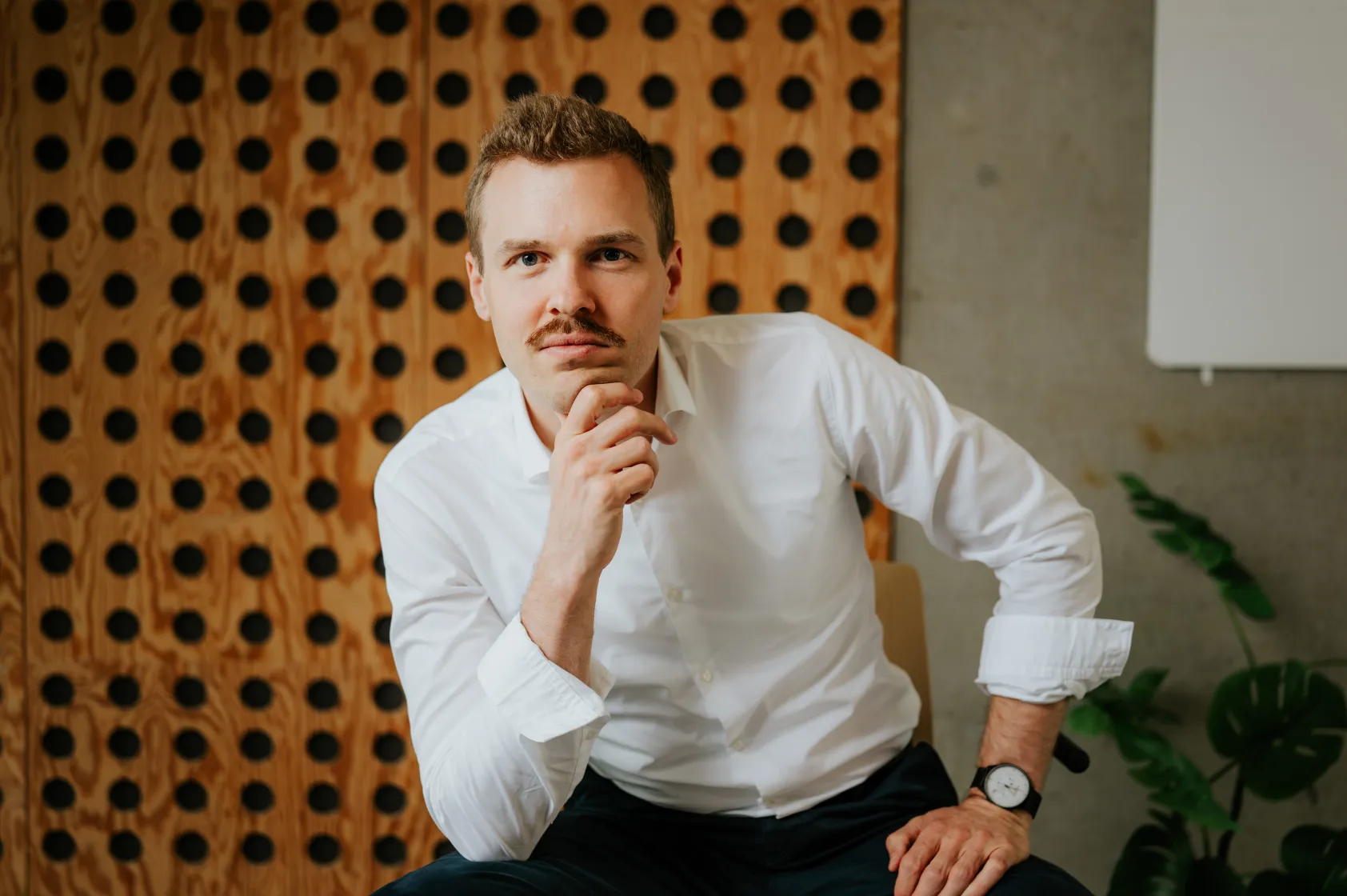
When you’re stuck
Don’t know what else to say?
First tension you can cut with a knife, then frosty silence: conversations go round in circles, people talk past each other. That’s normal – if the issue didn’t matter, nobody would be fighting about it. In team mediation, I create the setting where the contested issues come out on the table.
Typical signs it’s time to clear the air:
- Meetings drag, and decisions get avoided.
- People show little initiative – quiet quitting.
- People avoid each other – and good people leave altogether.
- A lot revolves around one person.
Get to know me
A first impression in three minutes
How I work, what happens in a mediation and what you walk away with. In German, with English subtitles.
- A conversation that gets to the point.
- A clear process you can rely on.
- Agreements that hold.
What I offer
Five ways to resolve conflict in a team.
What I care about is clarity – that in the end, everyone knows where they stand with each other. That leads to agreements that still hold three months later: for working together going forward, or for a fair ending. Which route gets you there depends on the situation.
Team mediation
When a whole team is stuck: in a protected setting, everyone gets a say – until there are agreements on working together that everyone stands behind.
4 hours to 2 daysKlärungshilfe
My preferred form of mediation, developed by psychologist Christoph Thomann. It works on the relationship level – where conflicts start. People who feel understood there, feelings included, can make agreements that stick.
1.5 to 2 daysConflict coaching
For managers, one-to-one and confidential – as a one-off or over a longer period. So you can lead the difficult conversations in your team yourself.
1:1 · ManagersHow Klärungshilfe works
From blame to clarity
Instead of staying on the surface, we move step by step to the relationship level – where the conflict actually sits. The contested issues come out on the table, and people get to say how they feel about them. Those who feel understood there can talk to each other again – and reach agreements that hold. What this looks like in practice, with all four steps of going deeper: more about the Klärungshilfe method (in German).
How I see conflict
Conflict is part of everyday life
Picture this: for weeks, someone on your team has kept their camera off, given one-word answers and dragged the mood down. Everyone notices. Nobody says anything. Yet the disruption is already shaping things – the team’s energy and the decisions left lying around. It can only be dealt with once someone names it. For a moment, that feels like escalation. But the problem was already there.
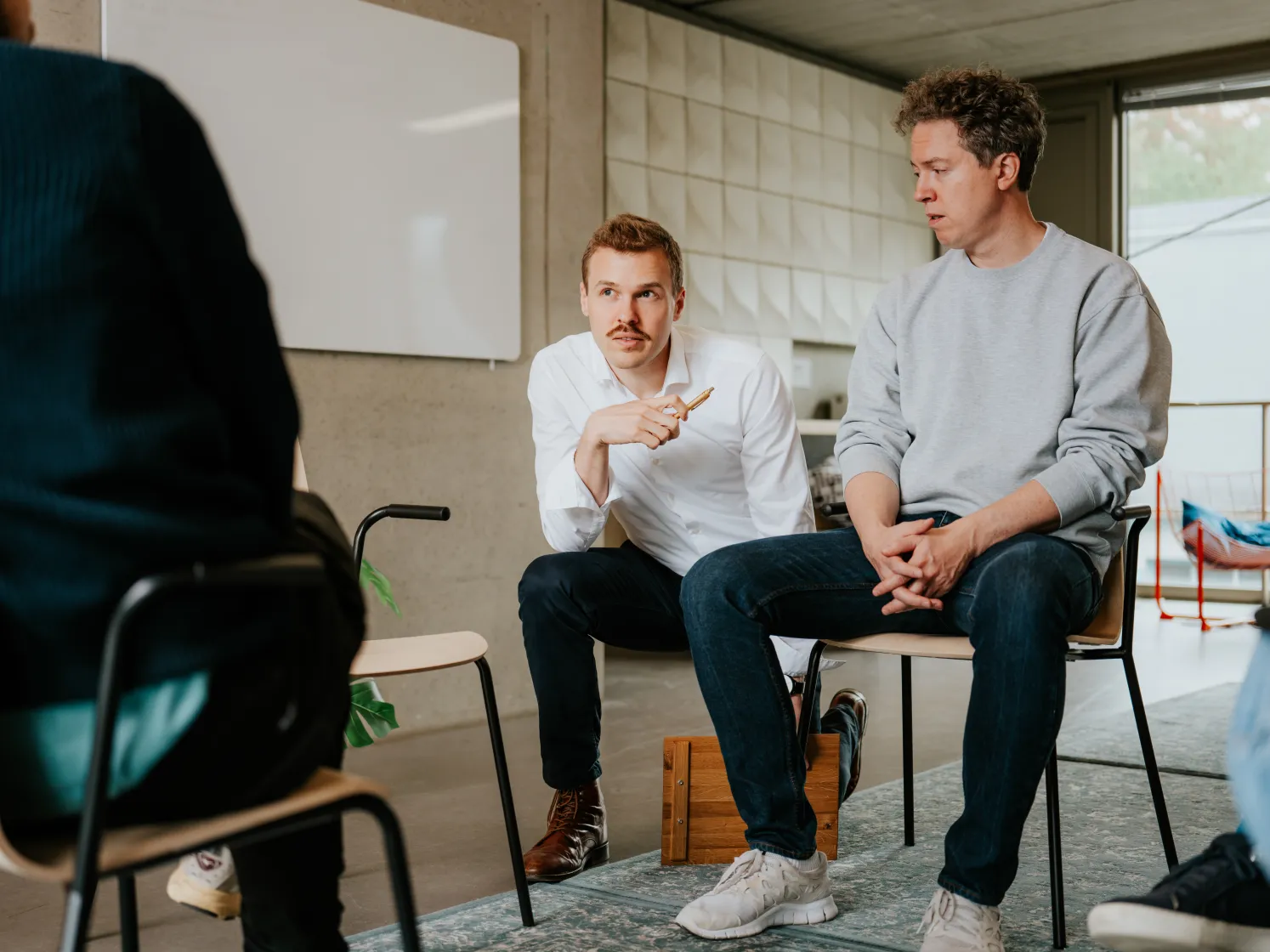
‘May I come and sit next to you and say something for you?’ – I put into words what nobody has the words for yet, and then ask: ‘Is that right?’
From practice
What teams say after mediation
“Your mediation was decisive in getting us working productively and constructively as one team with our business partner again – and winning new business with our joint client.”
“Simon got my managers from sales and delivery to argue more constructively. Some of them will be taking longer-term coaching with him.”
“Simon created a safe and respectful space where everyone could speak openly. We were able to agree on concrete measures that we’re now following up on. A very helpful, professionally guided step towards better team dynamics.”
Translated from German.

About me
Moin, I’m Simon.
Before I became a mediator, I spent seven years working with teams on IT projects. There I saw how unresolved conflict drains energy and blocks decisions – and what changes when people understand what matters to them and to the others.
I trained in Klärungshilfe and mediation with Tilman Metzger. I’m a member of the Bundesverband Mediation (the German Federal Association of Mediation) and the Hamburger Institut für Mediation. And I spent five years living abroad in the English-speaking world, which is why I also work with international teams in English.
More about me and my training →Frequently asked questions
What you’d like to know first
Disagree safely, decide clearly
Let’s have a quick call.
In the intro call, we find out on the phone whether I’m the right person for your situation. My first question is always: what have you already tried?